I wrote a version of this shortly after my first trial back in February 2020 – shortly before the Ontario court system was turned upside down and modernized. This article is based on my experience as an Ontario lawyer.
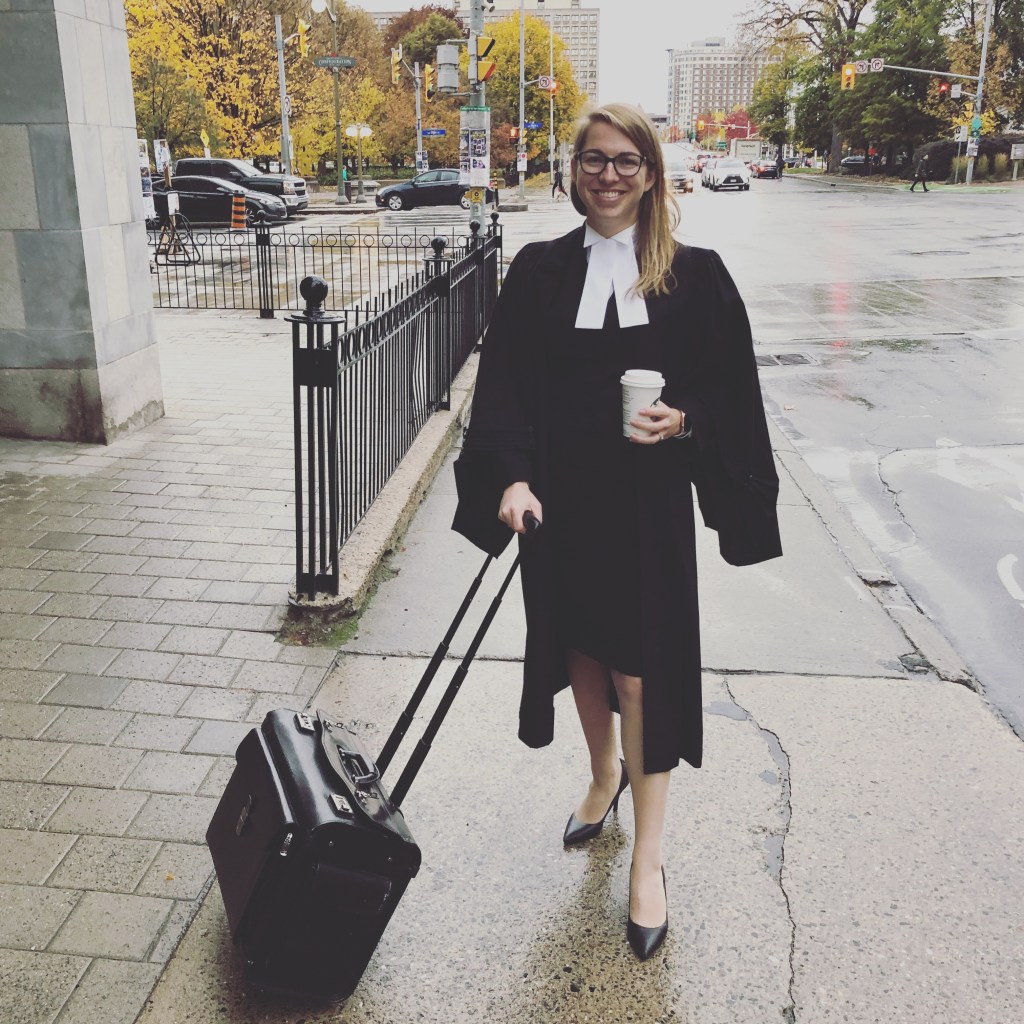
In the beginning of February 2020, I had my first trial. It was a five-day, high conflict parenting trial (the main issue being alienation) with a secondary issue of income imputation. Prior to this, I had never sat in on or assisted with a family law trial, so it was an incredible and highly nerve-wracking experience – both in the preparation leading up to the trial and during the actual trial.
Here are some of my “lessons learned” from this experience for others who will find themselves in my shoes:
1. Have multiple court shirts on hand: This was wisdom passed on to me when I was purchasing my robes that I share with every prospective litigator who is buying robes for the first time – when you have the benefit of the call to the bar pricing, take advantage! After a long day in court, the last thing you want to think about is laundering your shirt.
2. Ask for help: If you are in a firm (or in-house!), your firm/organization likely has an interest in your success and recognizes you don’t know everything. Ask those in the know – even the “stupid” questions. It is far better to admit you don’t know everything to your colleagues than to be unprepared at trial. In addition to asking (many, many) questions, I ran my trial plan by one of the partners and practiced questioning with him, which helped me focus and hone my skills in advance of the real thing.
3. Don’t forget your juniors! Asking for help should not be limited to asking lawyers or those with more experience than you. I was fortunate to have the assistance of our student-at-law for the duration of the trial, and found it very valuable to get her input and ideas in addition to helping with the workload. I was also very fortunate to have on my “trial team” an amazing law clerk who kept me organized (not an easy task).
4. Be prepared: This was the most valuable “lesson” I learned – fortunately not the hard way! Because I knew the facts of the case and applicable law so well and was prepared for things to go sideways, I was able to manage (and not lose my cool) when things did not go as planned.
5. But you can only prepare so much: A trial is like a marathon – during your preparation you also need to rest. The day before trial, I set a cut-off time for early in the afternoon, after which time I was to do nothing but relax. This helped me get into a good mind-frame and sleep decently before the trial, since I had several hours to decompress.
6. Hearing the evidence is so much different than reading it: This was a particular surprise for me, as I have not had trouble creating emotional distance between myself and my files since very early in my practice. I had read the OCL (Office of the Children’s Lawyer) clinician’s report several times and knew it well, but hearing the clinician give practically identical evidence to what was in the report I became a bit emotional. It was a difficult, high-conflict parenting case and hearing this particular evidence unexpectedly made my heart hurt – and I am glad it did, because it is important to be reminded of those who the ultimate decision in these matters will impact.
7. You can’t do it all: As a Type A litigator, I have a hard time letting go of control. During your trial, though, your focus has to be on your trial. Set your other clients’ expectations in advance of your trial, but ensure you have a plan in place (through your law clerk and other lawyers) if your other clients need assistance while you are unavailable.
This also goes for your personal life. I was fortunate that my personal circumstances allowed me to focus on work. I didn’t have children at the time (and have not been back to work yet since having my daughter), and I am fortunate to have a supportive partner who took on the bulk of the household duties while I was preparing for and in trial. Outsource what you can, prepare meals in advance (or get takeout), and recognize that you are only one person.
8. Have snacks on hand: The lunch breaks went far too fast, even though we usually had at least an hour. You don’t want to choose between preparing for the afternoon and eating, so make sure you have nutritious snacks on hand just in case. My partner made banana oatmeal muffins for the week that were a lifesaver.
9. Wear comfortable shoes: This is particularly for those with a preference for high heels. I wore my most comfortable pumps, and after a couple of hours of cross-examination, my feet were toast. I don’t like wearing flats, so halfway through trial, I bought shoes with a lower, chunky heel. They made a huge difference.

10. If you can, book time off after the trial: Unfortunately, I did not plan well enough in this respect. I had no idea how exhausted I would feel even nearly two weeks after it was over. Booking adequate time off to rest and recharge (read: not work at all) following future trials as I am able to will be a priority.
11. Ask for feedback: I asked everyone who helped me with the trial to provide me with feedback. I also sent the decision to my colleagues asking for the same. It can be uncomfortable getting constructive criticism, but asking what you did well on and what you can improve upon will help you become a better lawyer.
I hope the above lessons I learned from my first trial are helpful to others finding themselves in my (chunky-heeled) shoes. Remember – even the very experienced litigators had a first trial at one point. You’ve got this!
 Motherhood At Law